LSi’s Rob Halliday meets TSL founder Sam Tamplin to discover the origins of this ever-evolving business, built on a love for lighting, big ambitions, and a team of kindred spirits . . .
Published 1 May 2026 ( April 2026 issue of LSi )
Written by Rob Halliday on behalf of LSi Magazine – www.lsionline.com
The ‘garage’ origin story is not particularly new, of course. Apple, most famously, now one of the biggest companies in the world. In our world, ETC. But as our industry both ages (look at the number of companies that have celebrated 40th or 50th anniversaries over the last few years), consolidates, and becomes big enough to attract the attention of outside ownership, it is worth a reminder that there are younger players, there is still space for independence, and there is still opportunity to start in a garage and grow into a multi-million-turnover operation. Lighting and rigging specialist TSL provides that reminder.
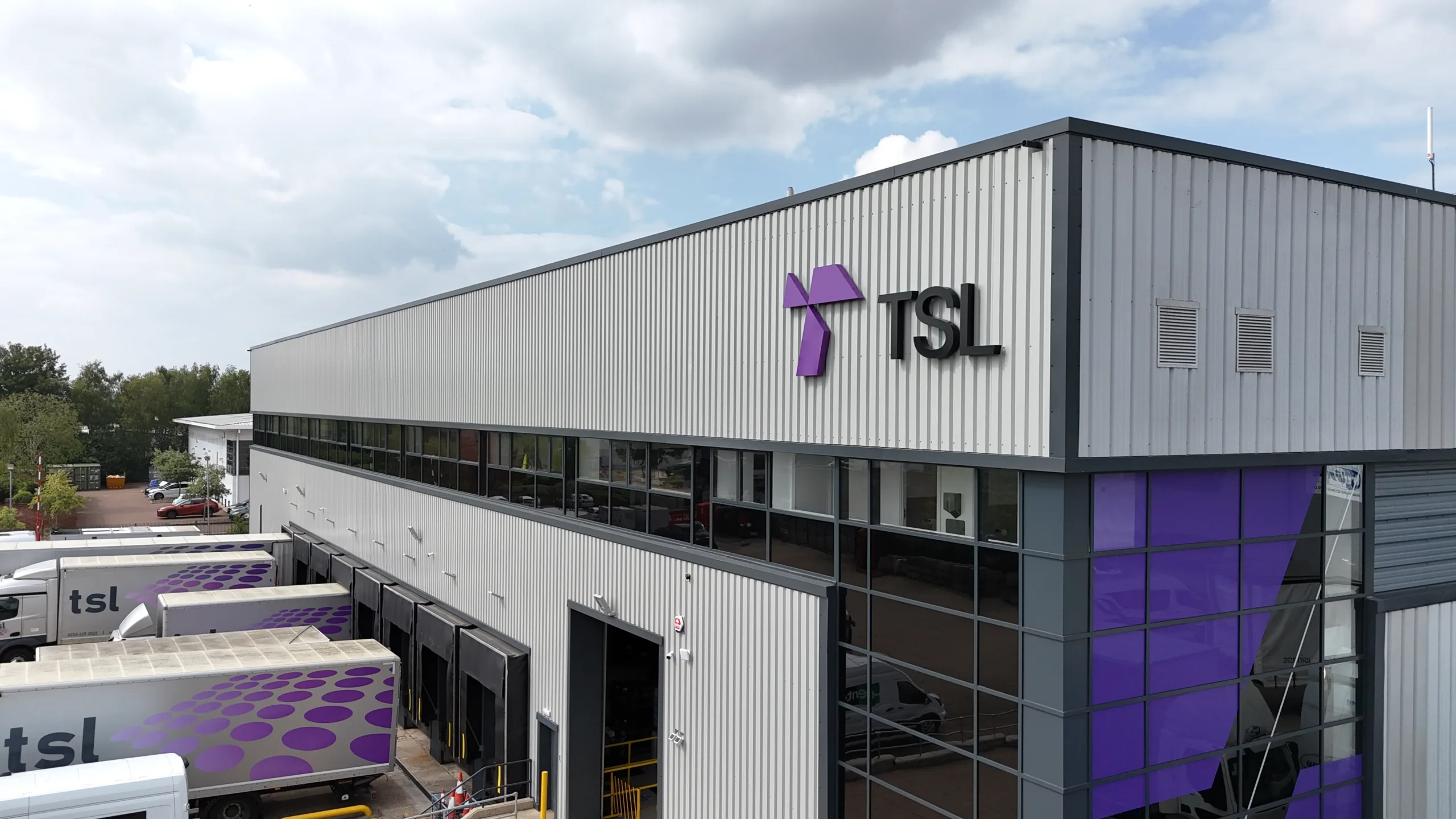
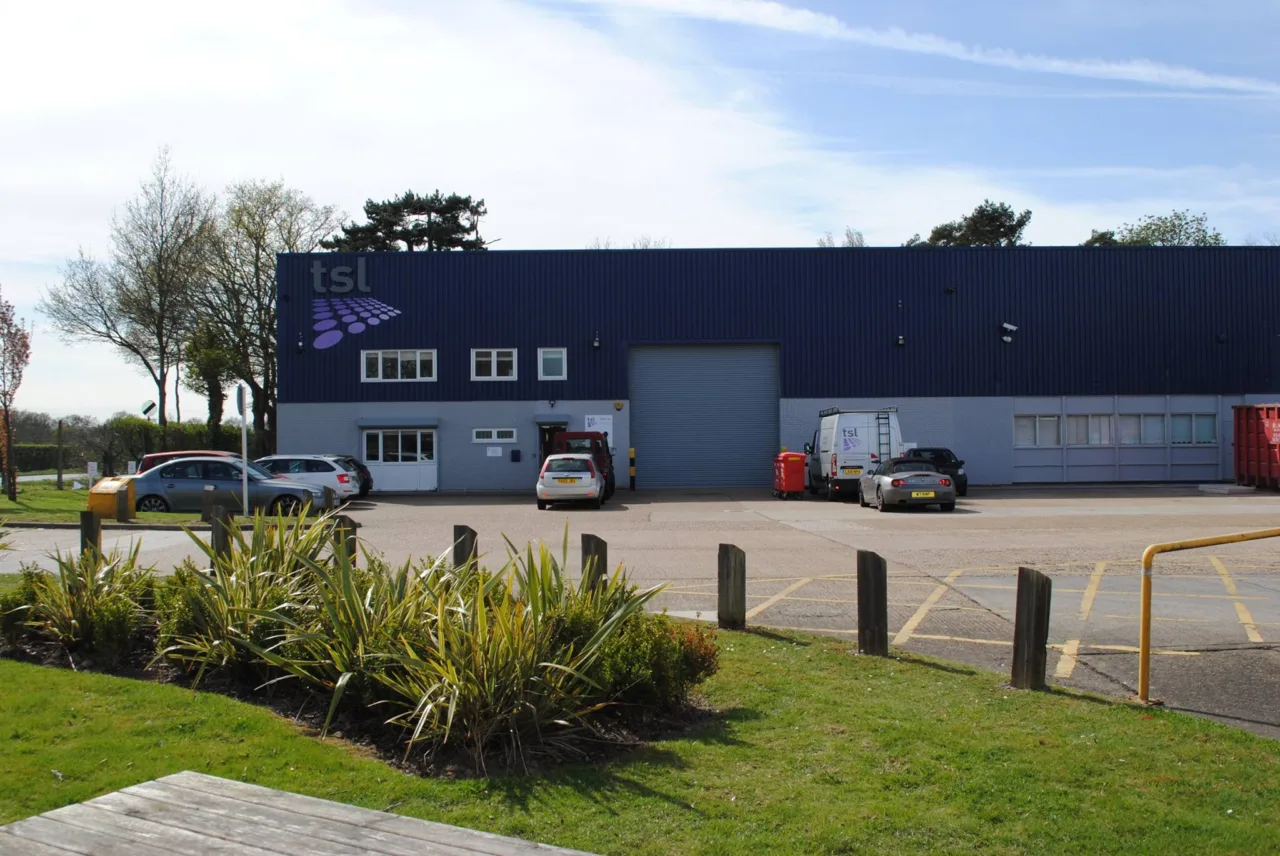
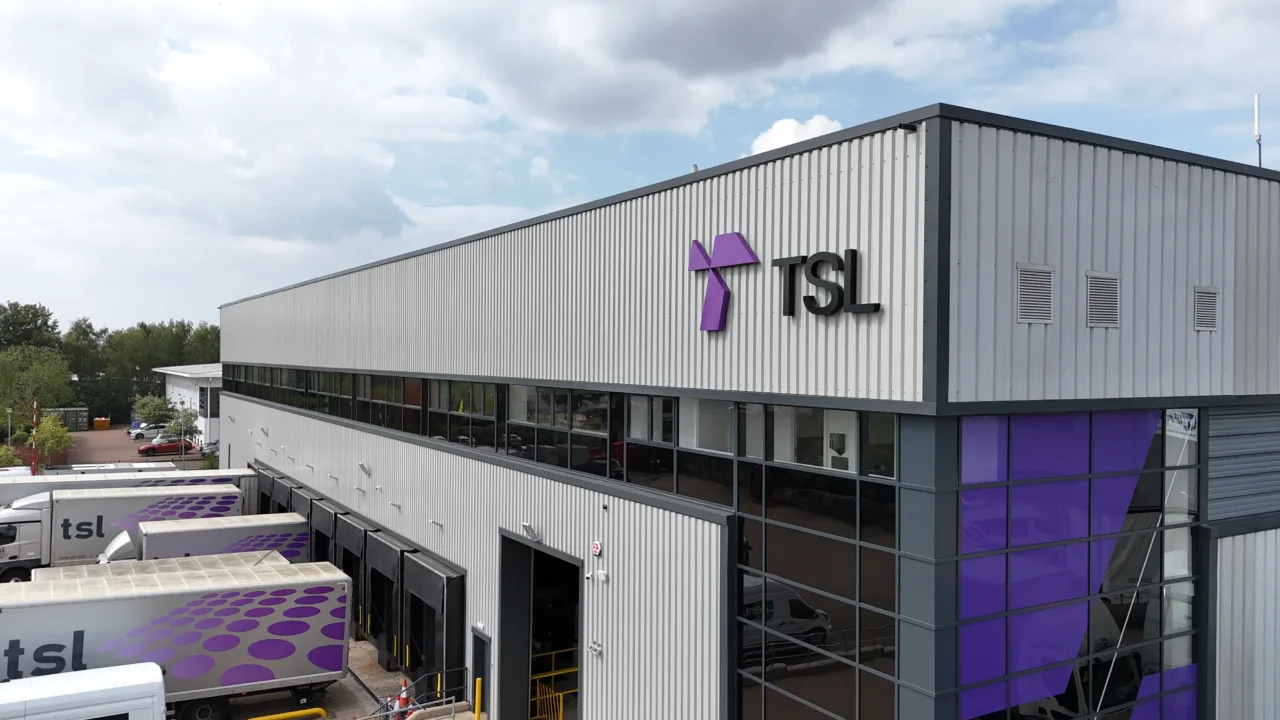
It may be that, like me, the company has been sitting on the edge of your radar, enough to have been aware of them, enough to have known they’ve grown over the years, enough to know of the staff they’ve recruited from other, larger companies. Very likely to know, as they’ve stepped up their news circulation over the last year, of a move to larger premises. But reading the news isn’t the same as living it: it’s when you walk into their new, 85,000sq.ft base in Basingstoke that you suddenly realise what the company’s many regular customers have known for a while: this is a serious operation, serving a diverse range of productions. Which immediately leads to the questions, where did all this come from? And who’s behind it?
Big ambitions
To answer the second question first: Sam Tamplin. Interestingly, the company’s website doesn’t provide an official explanation of what the company’s name stands for, the assumption being it’s something like ‘theatre show lighting’, but you can’t help but notice it is much like the founder’s initials. “Yeah, it actually originally stood for Tamplin Stage Lighting,” he confirms. It is very clearly his idea, his operation, his work – so who better to tell its story from the beginning? “I’d discovered lighting at school, volunteered for local am-dram shows; I volunteered for anyone I could get hold of, just to help them do lighting or backline or, really, anything. I volunteered at a local church in Brighton, where they had six Robe 250 XT Zooms and a Fat Frog, and some Beta Packs. So I had this auditorium and a chance to mess around, and to learn how to do things and, mainly, how not to do things. I started to get involved in organising stuff for people, and we started renting gear from Kave Theatre Services. They were the north star of rental from my perspective back then. There’s just something magical about going to this building full of stuff that you’ve dreamt about!
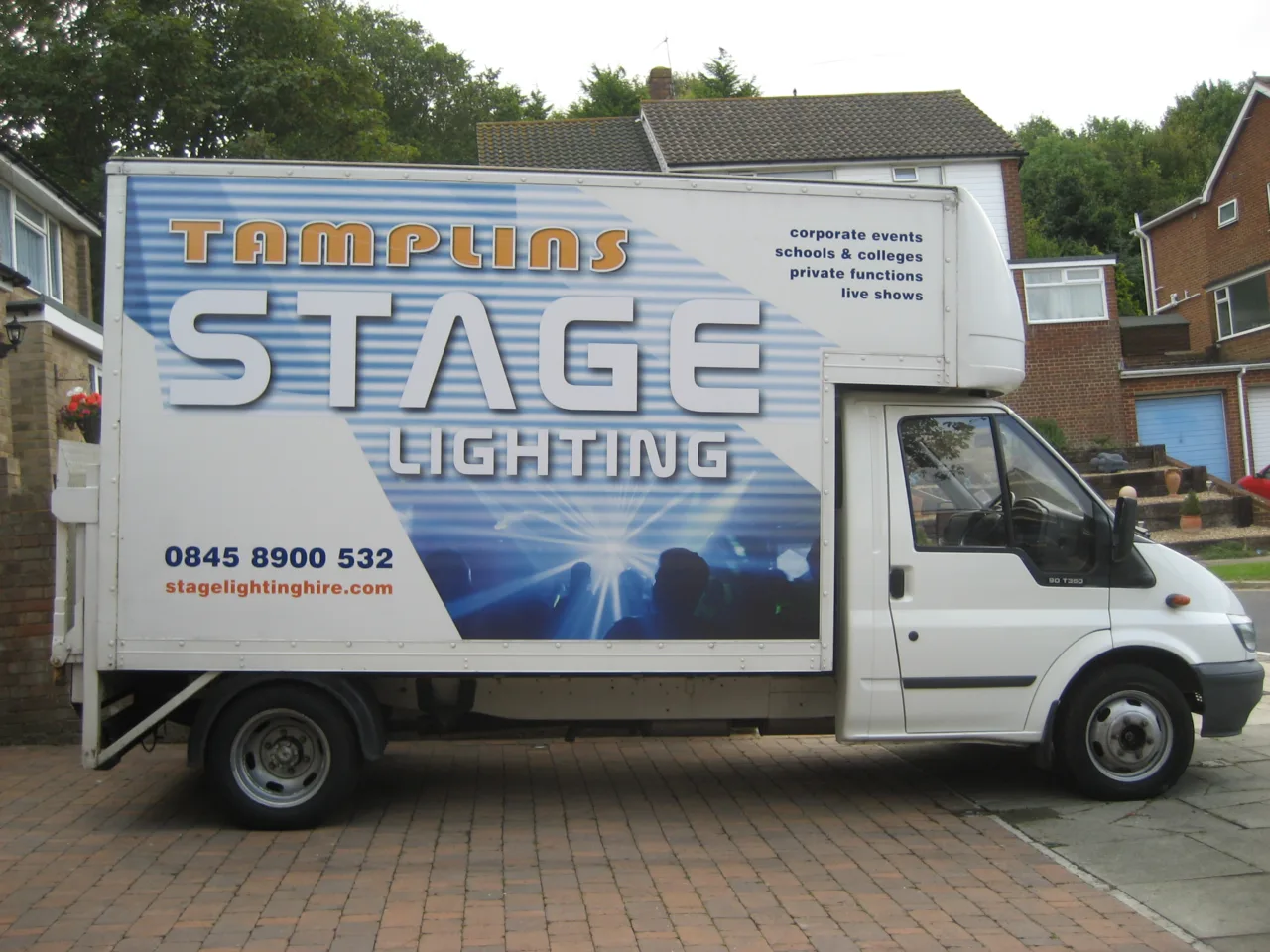
“But . . .” and this is perhaps where his story starts to diverge from those of countless others who’ve fallen into lighting in the same way, “I did think, it’s not quite as good as I’d like, it’s a little bit scrappy. I think I can do this a bit better.” Because alongside that interest in lighting, Tamplin had “from a very young age been very clear that I wanted to run a company. And actually, between the ages of 16 and 19 I ran an IT firm, managing networks of up to 50 people, coding websites, things like that. But computers frustrated me too much to make a living from them, whereas on the lighting side it kind of ticked all the boxes: there’s elements of creativity, logistics, and IT. So, I made a choice: I’m going to do lighting, and I want to do it as a business; I want to actually own the equipment and rent it out, and that would be the primary part of the business. But in order to do that, I had to design lights and go out there. So I was essentially a man in a van with some lights. In the same way you’d call a plumber to come and sort something out, you’d call me and I’d turn up and do the lighting.”
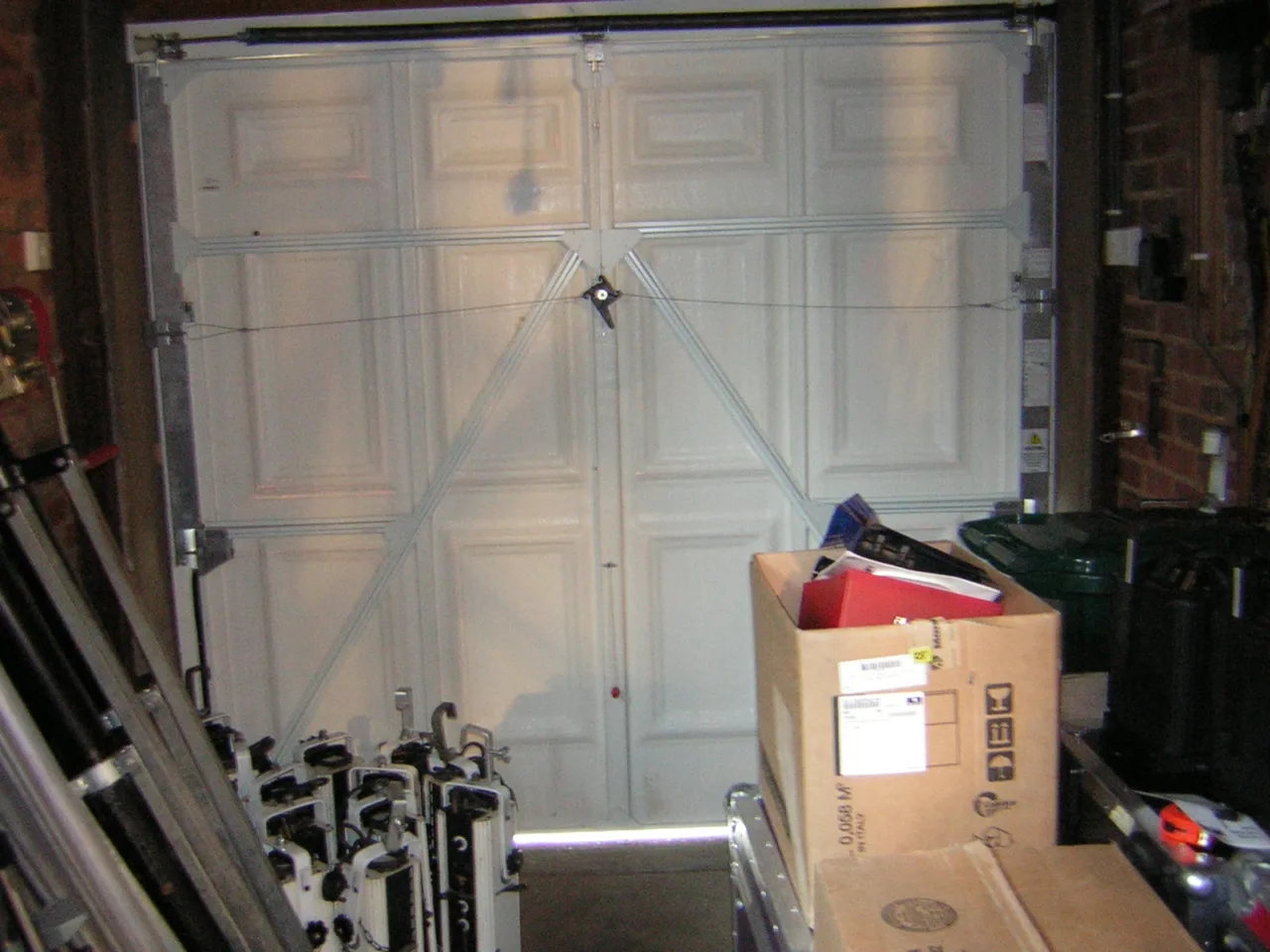
The initial finance for that came from a £5,000 loan from his father, who also ran his own businesses. The new company’s first purchase was eight PL8s, “a really weird light that I found on eBay. Then I bought a little van . . . then I realised very quickly I needed a bigger van. But I was 19, so I just massively overloaded it. We found a garage in Hove to store things in. That £5,000 loan quickly became £10,000, then £20,000 as I realised this was going to cost a lot more money, and also that my ambition for what I wanted to achieve far outstripped my ability, my experience and my knowledge at that point.”
Everyone seemed to know what they were doing. Everyone was working quite hard, but calmly, and I remember thinking, this is it, I have to do this . . .
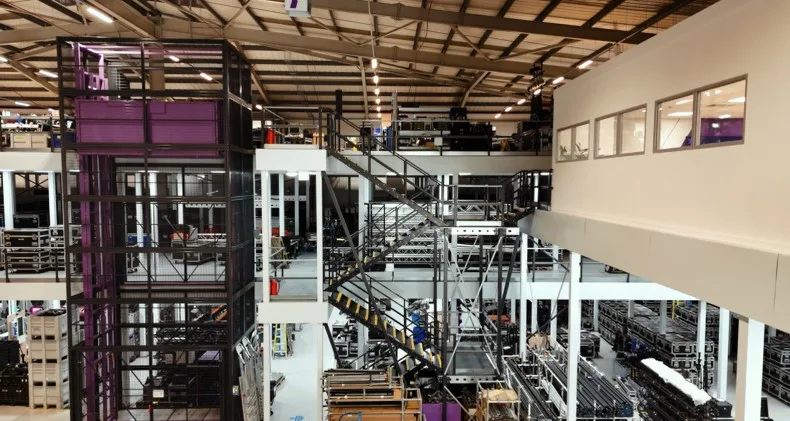
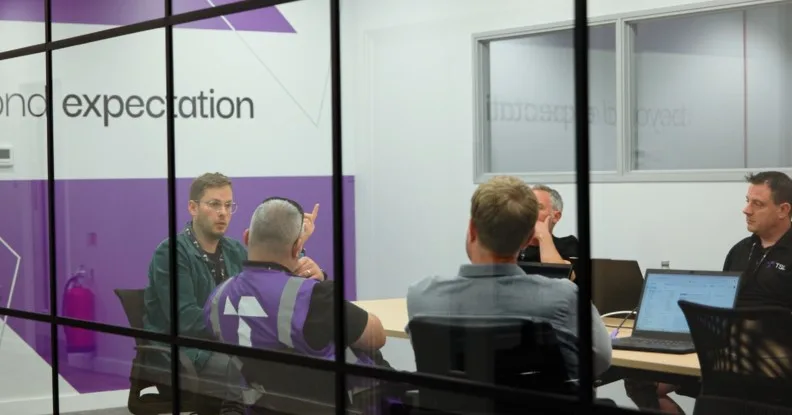
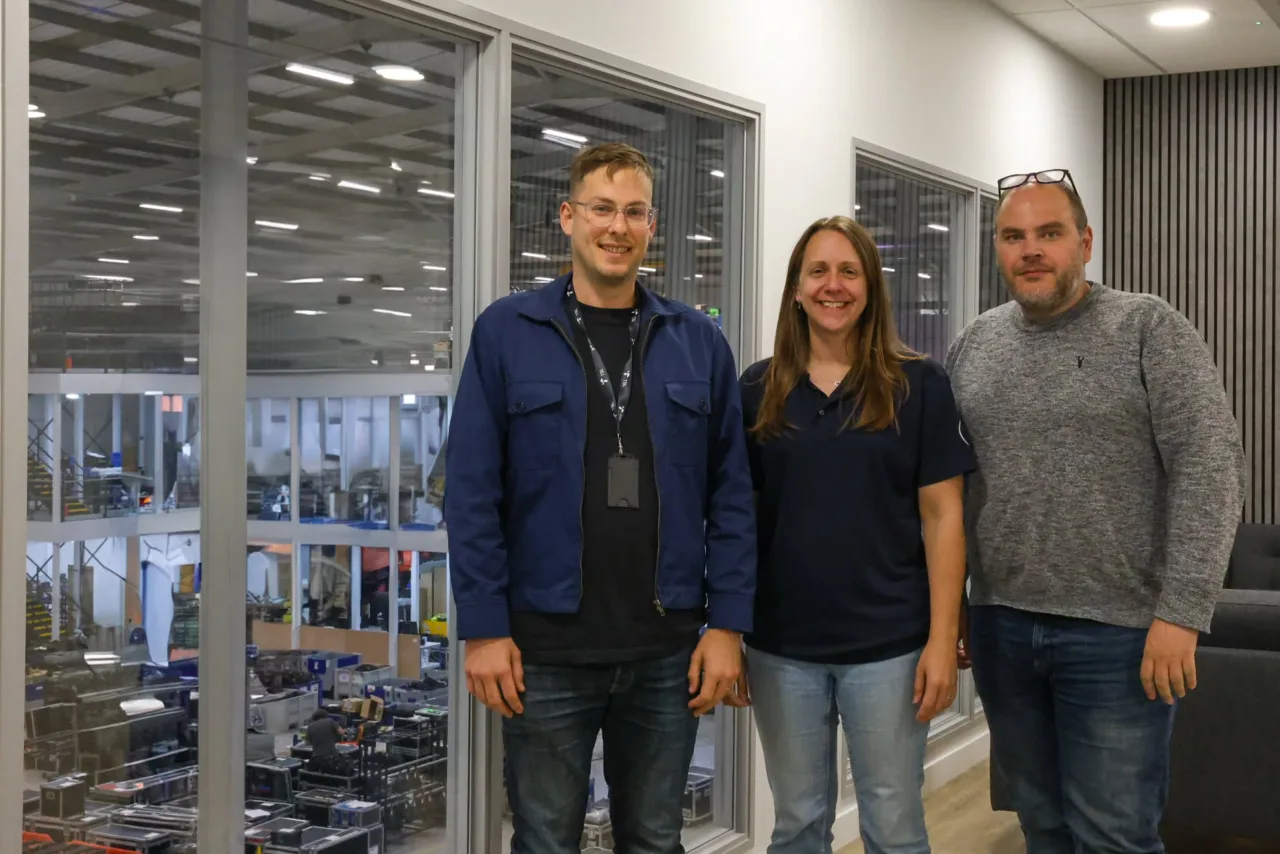
That was 2006 – it feels like perhaps TSL’s new home is where Sam Tamplin was aiming back then – a large, carefully thought out but calm working environment, with a green room that is the pivot point between offices, pre-viz spaces, meeting rooms and warehouses, to ensure that no one feels isolated from any other part of the organisation. Big windows that allow everyone a view down into the warehouse’s activities, and technology deeply embedded from the multiple high-speed internet connections to the RFID tag carried by every item of inventory. But of course, there are stepping stones along the way. “In 2007, I bought a Jands Vista on eBay. It was actually sold by Essential Lighting, so that was when I first met Essential. I had a tour around the warehouse, and it blew my mind. I had no idea that lighting companies could be like this. Everything was in its place: you could open up a case and it would be as you expected. Everyone seemed to know what they were doing. Everyone was working quite hard, but calmly, and I remember thinking, this is it, I have to do this.”
So, in a very traditional new-business manner, he made a flyer, took out the Yellow Pages, and started calling people. “Out of about a hundred, I ended up meeting two or three. Which is about right – two or three percent conversion. And I managed to impress them enough to give me a chance, on the Great Escape Festival in Brighton, doing the Happy Mondays on the pier. Another local production company always wanted to hire Martin MAC 250 Entours, and I had four at that point, so they started coming round to my garage and collecting them for cash for Brighton Metropole corporate gigs. That opened my eyes to the corporate world where they were much better at just paying a reasonable rate. I thought, if I can get some corporate work, we can kind of fund the ‘art’ side from that.
“Of course, I realised I needed more money; my Dad didn’t just lend me more, he became an investor, a shareholder. At one point he owned half the company and I owed him £250,000 that he’d re-mortgaged his house for to let us fit-out our first proper warehouse unit. The revenue was going up, but the costs were going up more. Cash flow was always a problem and, to be honest, it should have stopped. One day it blew up over something relatively tiny – buying a 14-rung Zarges ladder or something – and he said he’d had enough. But I didn’t want to stop. One of our biggest corporate customers at the time was SFL; they actually offered me a job to set up a lighting department for them. So I brokered a deal where they bought a third of the business, really by guaranteeing that we’d get all of their lighting spend.”
I comment that it now seemed that he had become as interested in the business side as the lighting side, and he agrees. “I loved learning about shareholders agreements, and evaluations and projections and budgets. But not just for their own sake, for how it could help create something. We mapped out a five-year plan, and we hit it – overshot it actually – and got everyone paid back.
By the end, I wanted to do more; I owned a third of the business, but that wasn’t enough for what I wanted to do. By now I had a house, so I re-mortgaged that and bought them out.”
New move, new challenges
If TSL is perhaps a drama in three acts (so far), then that arguably brought down the curtain on act one: late 2013, a company that had gone from one to about 14 employees, moved from the garage to 2,500sq.ft of warehouse space then to 5,000sq.ft, doing pretty well. “There was a day, sometime in 2012, when I looked on the system and there was a job that had gone out and an invoice raised – and paid – and I didn’t know who the customer was or what the job was. That felt like a real milestone. And at around the same time, I made the very active decision to quit being an LD and to concentrate on running the company.”
In more modern parlance, perhaps this was the start of TSL v2, complete with a new character. That was Martin Locket, who Tamplin had first met on that visit to Essential Lighting, which Locket was then running before selling the company to PRG. “Later on, one day me and Martin – then the CEO of PRG UK – were talking and he said to me, ‘do you want to do it again?’. The boss of PRG is asking me this! So when he left PRG, he came aboard as a shareholder, and that sort of became TSL v2.
I had great conversations with Martin; he’s really interesting, and it was a fantastic learning curve. But again, I ultimately realised that I wanted to be in control of my own destiny, so we came to an agreement and I bought him out.”
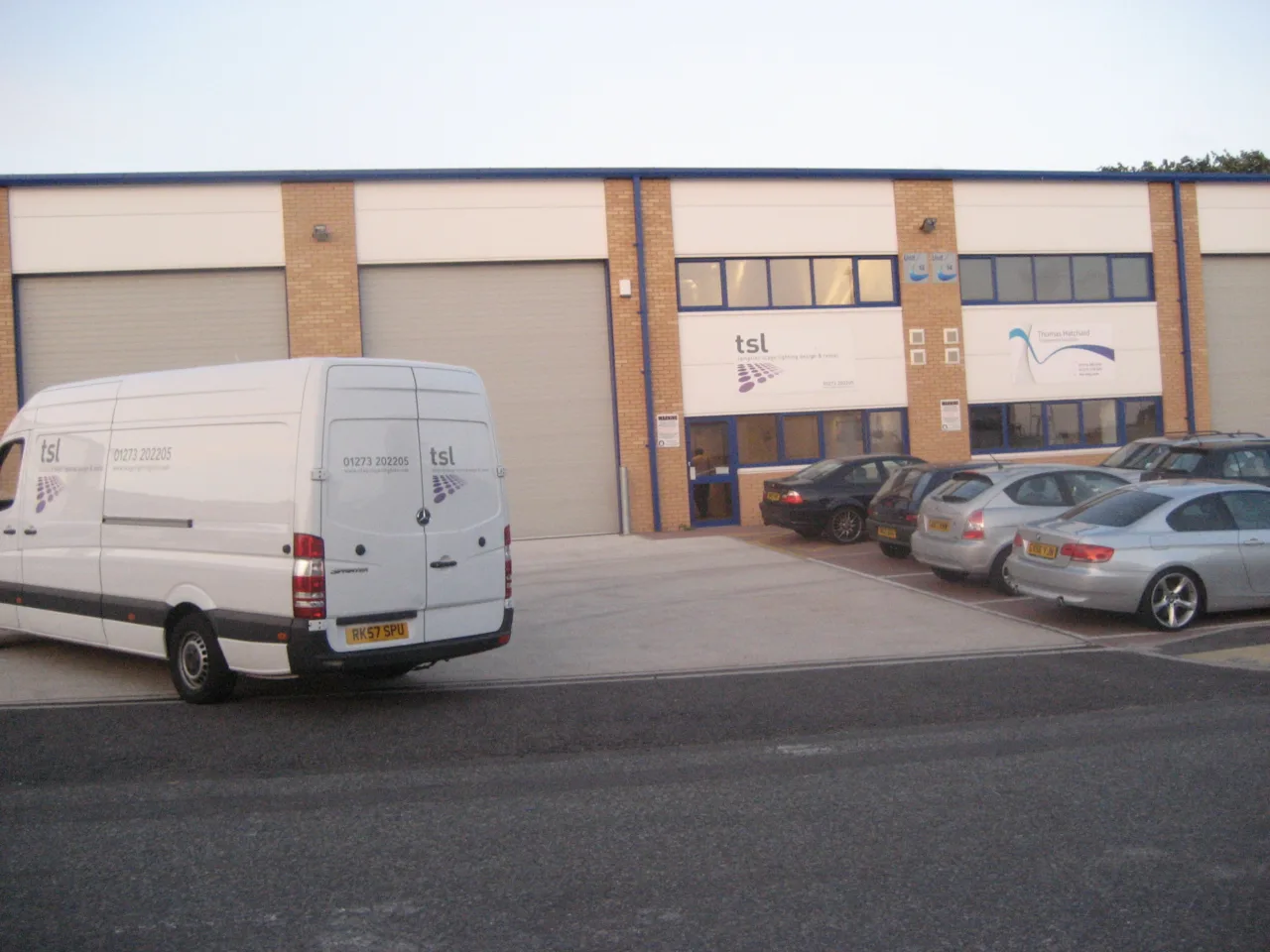
This new chapter saw other major changes: another move, to 10,000sq.ft of warehouse near Gatwick Airport, “a clean slate, letting us do things exactly how we wanted to.” A push to become a little better known across the industry. And a very clear-eyed view of what he wanted to do, and why he wanted to do it: “I’m not doing this to make loads of money. I’m thinking, if we increased revenue by a million quid, we could spend another £200,000 on stuff that would fix this problem or that problem and let us be better. I’m very clear to everyone that we are an economic flywheel. Yes, we’re a lighting company – we provide crewing services, transport, equipment rental, project managing, pre-production – but at the core is this economic engine of: we invest in equipment, it increases our capacity to accept jobs, it increases our gross profit margin, which produces profit and cash, which then goes into buying more equipment, which increases our gross profit and capacity, it increases our choice, and it increases our desirability as a rental partner.”
While the company had historically grown organically, chapter two also saw it grow through a series of acquisitions, perhaps most importantly of Blinding Light. “I never set out to acquire companies as a strategy for growth; I do believe if you try to force something like that it’s bound to fail. We were kind of an upcoming competitor to Blinding Light – at that point they perhaps had better relationships but we had more kit. We talked about a merger, which ultimately didn’t happen. But later, they came back and asked if we’d be interested in buying them. That was fundamentally done on a handshake over Christmas, the deal completed five months later, and I think it worked out well for everyone.”
I ultimately realised that I wanted to be in control of my own destiny, so we came to an agreement and I bought him out . . .
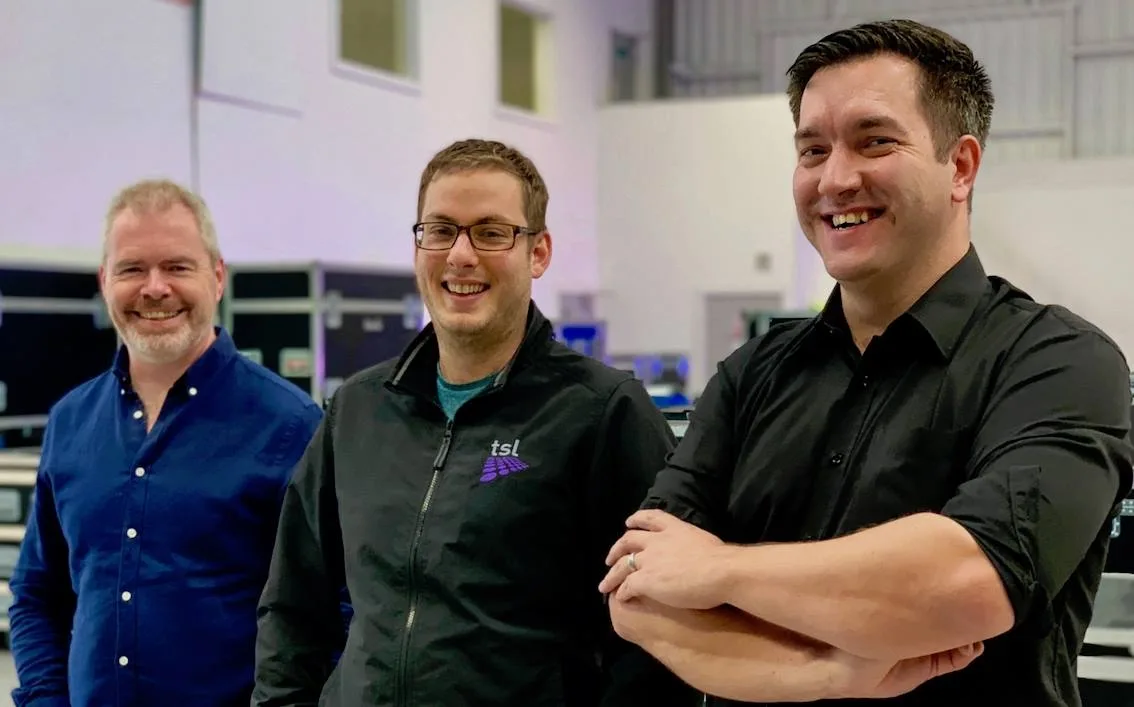
From TSL’s perspective, it more than doubled the company’s revenue. But it also brought with it two key figures who are now core members of Tamplin’s team: Dom Sheerman and Loz Wilcox. “With them, I felt I’d found some kindred spirits. They’re an excellent team, and excellent account managers. They have a vision for how customers, lighting designers and kit should be treated. They’re both directors now, and I operate as the managing director, not as a shareholder – because I want a team; I enjoy working with people. And I think you all need to be open with each other.
We have really robust conversations about all sorts of subjects. Those got us through the challenge of the acquisition, which took us from being quite a well-capitalised business to, ‘we don’t have enough kit to service our customers’. It became a three-year project to get back to being a well-capitalised business, with gear on the shelf to service clients and trade customers. That was the end of 2019 . . .”
Cast your mind back and you’ll remember what happened next. Tamplin’s approach to the COVID shutdown? “I sort of mentally de-valued everything to zero. Nothing’s ever been guaranteed. I’d always said pure survival is success in its own right; we don’t have a right to exist, we have to fight for it every day. COVID was just a fantastic example of how true that was. It was tough; we waited until July, but when it became clear September wasn’t going to come back, we knew we had to downsize. I think we went from 60 to 33 staff. That sounds hard, but you have to make that kind of call. Ultimately that’s my job now: if it’s an easy decision, someone else is making it.”
Survival was helped by a “brilliant bank manager, who absolutely champions us within the bank and with their finance arm. I said we needed a loan; her response was, ‘make sure you ask for enough, as you only get one go at this’. Then we just put revenue at zero for a year because I could guarantee it would be better than that.”
Which they achieved. “My aim was to pay back all the debt and go to a cash-only mode – if we have the money we buy it, if we don’t, we don’t. By the end of 2024 we were net debt free. We’d survived. We had a really good team, and a great reputation. I could have just taken my foot off and let this ride for 20 years . . .”
default
So, what’s next?
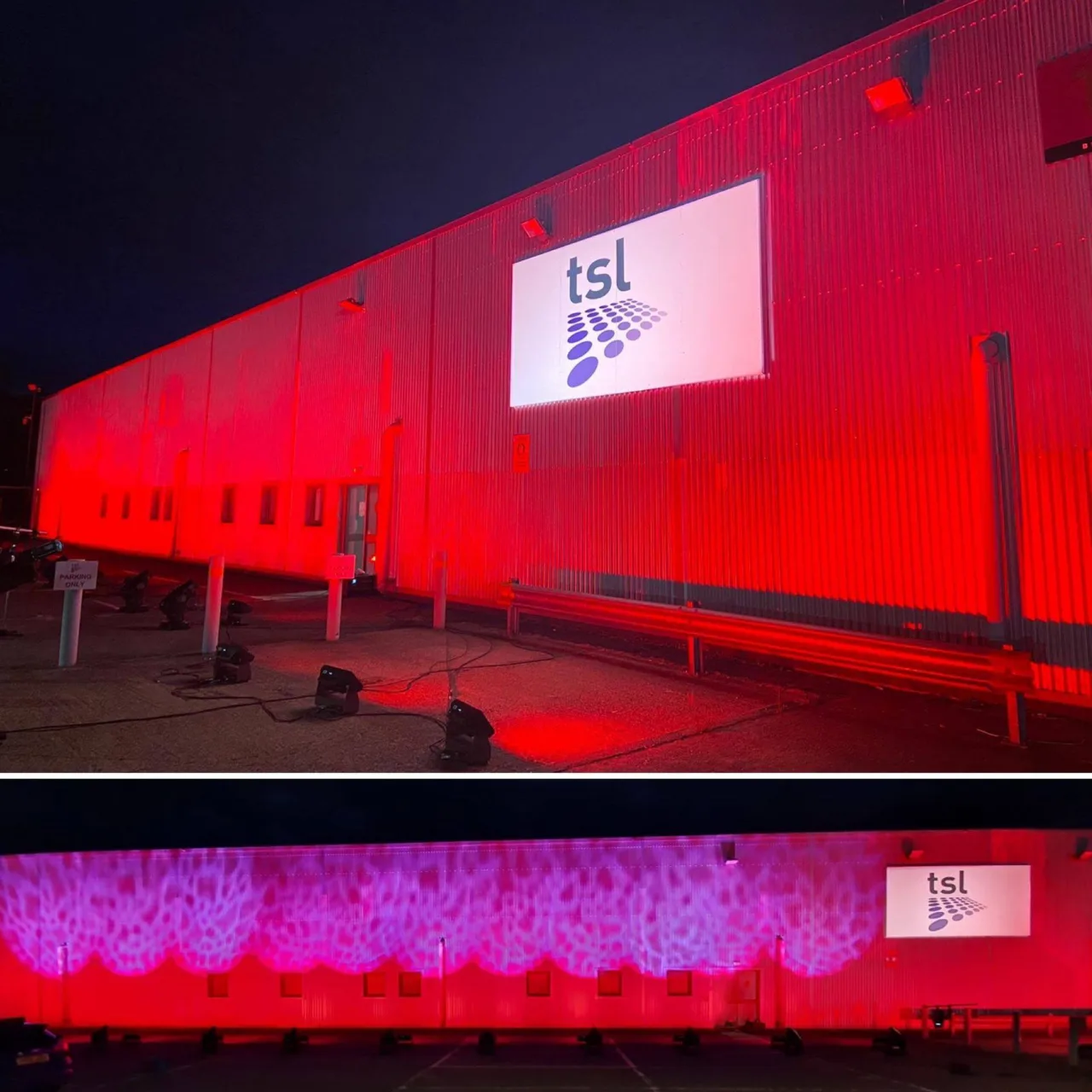
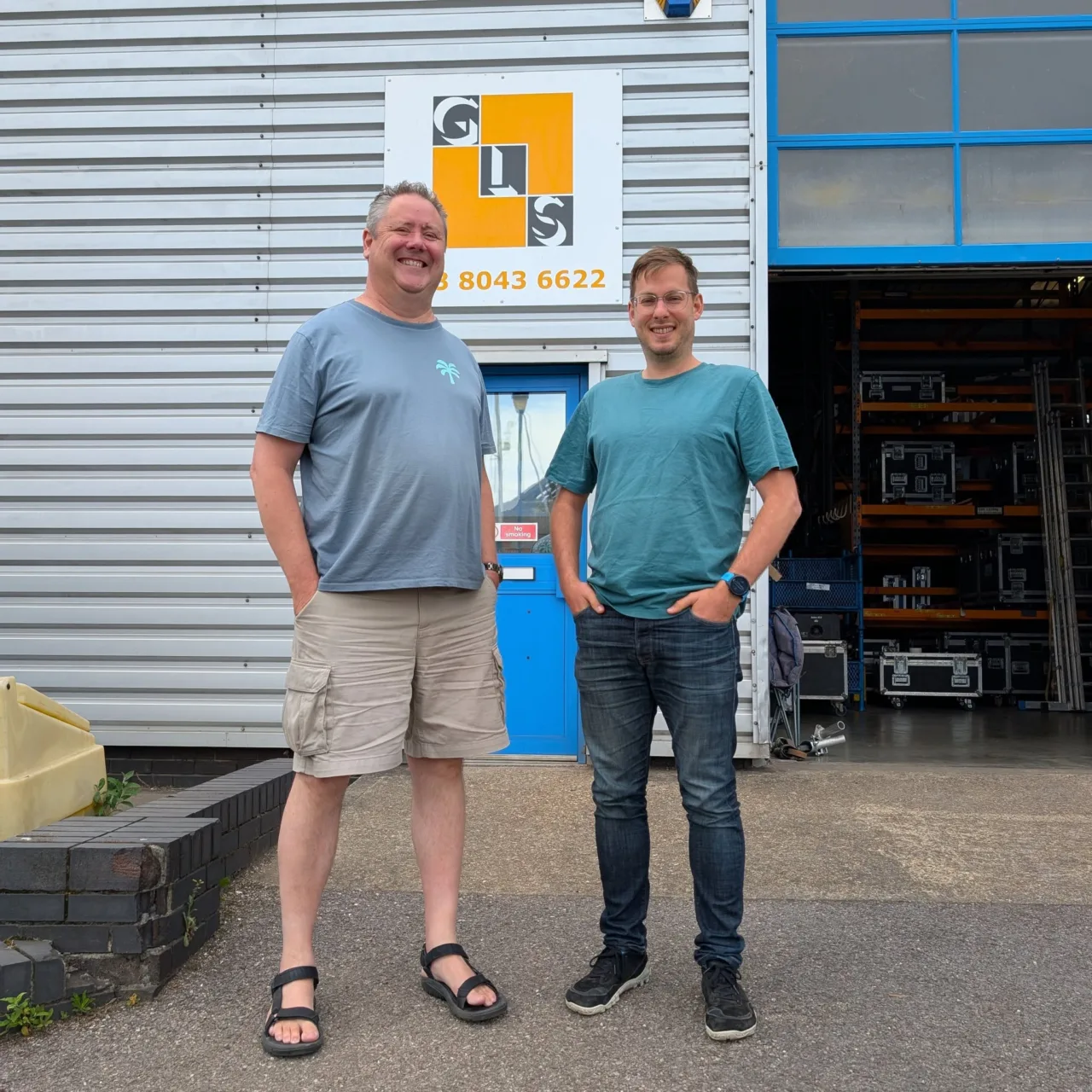
You can by now guess that he didn’t do that. Instead, he launched into chapter three, inspired by another new building, close to the one the company had taken over from Blinding Light. “I found this building, which gave us the opportunity to build from the ground up as we’d done at Gatwick, and I just thought yes, let’s go again.” The building is 85,000sq.ft, on the edge of Basingstoke, which turns out to be a remarkably well-connected spot with easy access to the motorway networks and also rapid trains to and from London and elsewhere. It’s unusually well insulated for a warehouse, its roof lined with solar panels – it is efficient, as these buildings go. There is a vast central open space, some of that configured as a demo or pre-rig area, a paint booth, then three mezzanine floors on one side providing space for fixtures, cable, equipment prep, rigging, as well as – at the time of my visit in January – equipment being moved in from another acquisition, GLS Lighting, as well as assets from TV lighting specialist B360 whose key staff now work at TSL.
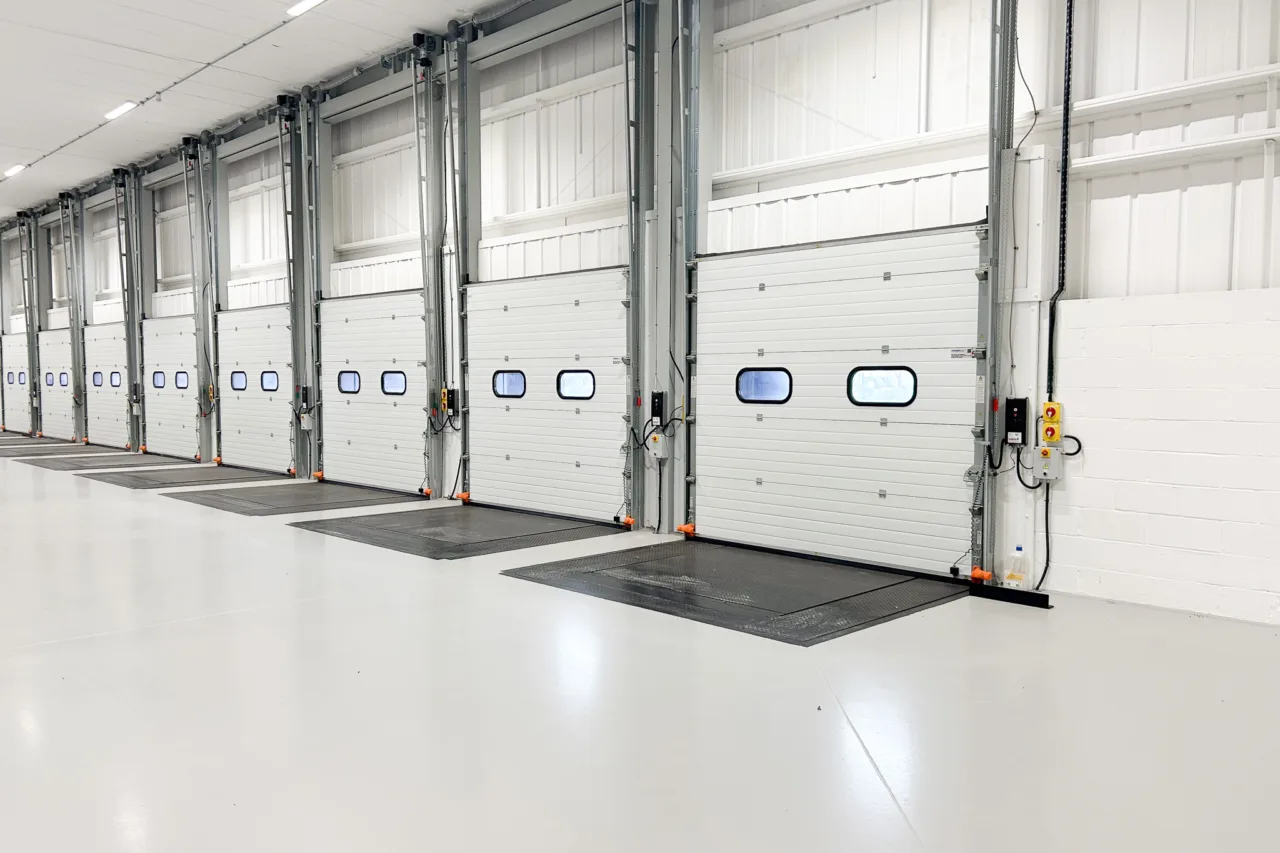
As mentioned, Tamplin and his team have made it as they want it in terms of space, layout and infrastructure, with a particular focus on IT that is perhaps a reflection of the generation he is part of. “I had a database and a server in my lounge before we even had a proper building,” he recalls. Today that extends to employing in-house software specialists to adapt the rental system or create custom tools from scratch, in pursuit of solving problems rather than just for their own sake. RFID tagging, for example, which has long been the holy grail of rental companies but then usually dismissed as unworkable. “We decided to concentrate on one problem: returns. On the way out, you have to handle the gear anyway, to prep it. But for returns, you want to know it’s back in the building. All our dock doors have RFID gateways; everything – down to the last cable – is tagged, and as you push cases through those gateways we’re at something like a 97% read rate, which we’re working on getting better, but for now it’s enough that we can then just go round with a wand to pick up anything that was missed. We reckon that’s two full-time jobs that can now be doing something more useful than just checking returns.”
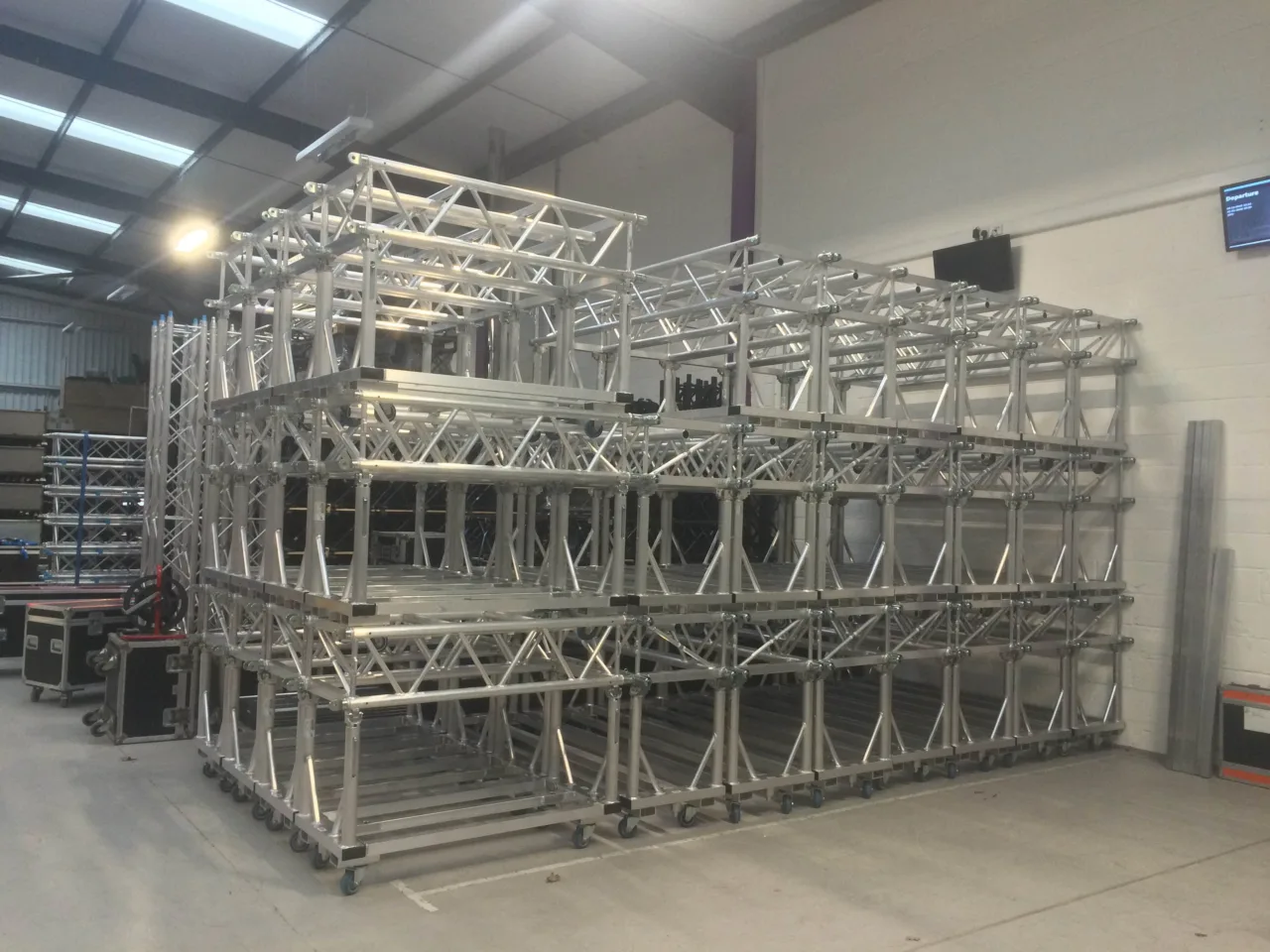
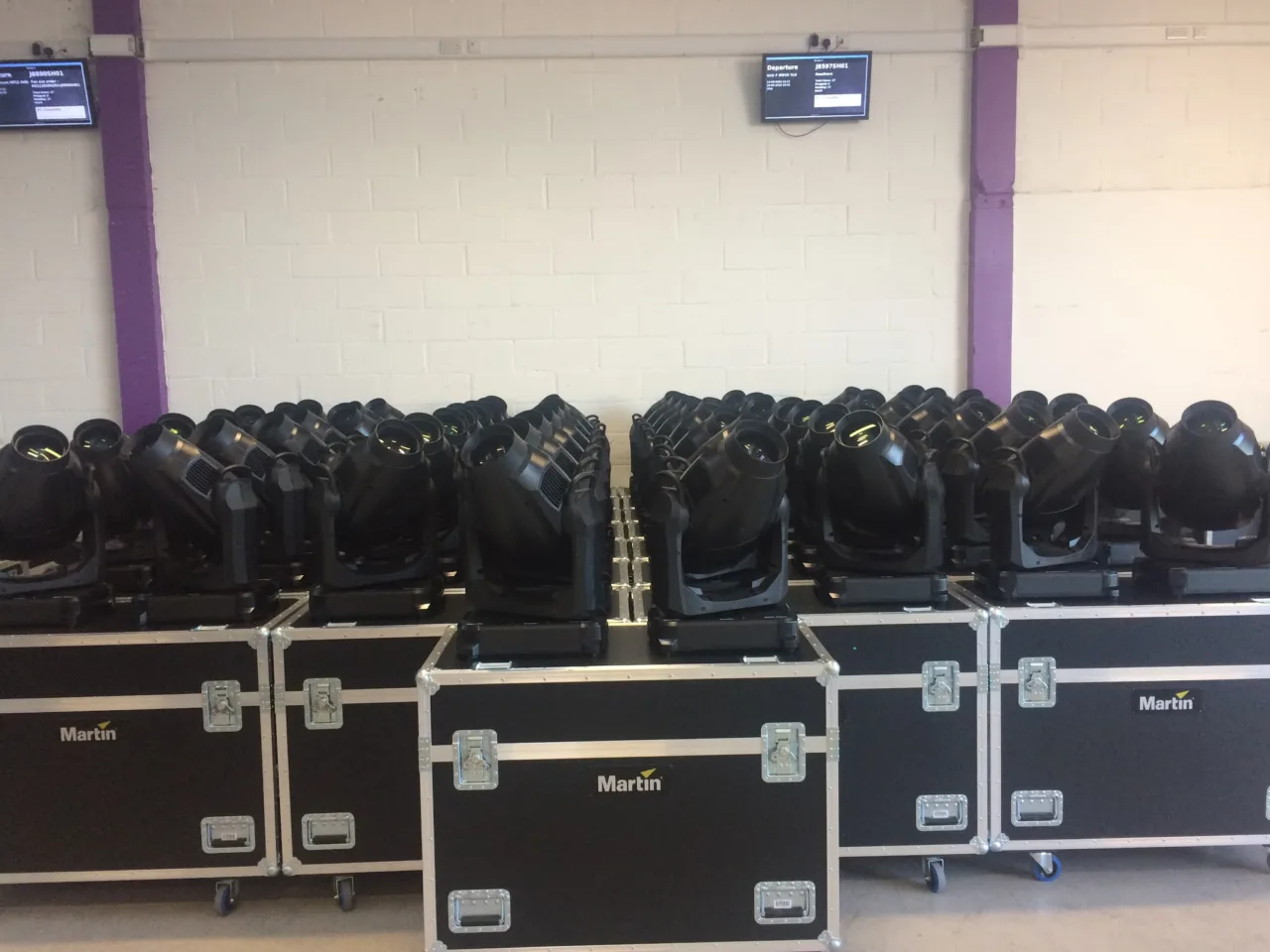
That tagged equipment? TSL does lighting, with a modern – which is to say largely LED – fleet of fixtures from a range of manufacturers, a selection of console types, plus all of the infrastructure with a particular focus on networking and having people trained to properly understand and configure it. And TSL does rigging, with a large stock of truss and motors, all tested and maintained in-house. Not sound or video, so focused on what they know. With this stock it serves the full spectrum of productions – corporate, fashion, concert touring, festivals, events, TV, sports, theatre, really anywhere there’s lighting – in the UK and internationally, including recently supplying the lighting package for the BBC at the Winter Olympics.
I had a database and a server in my lounge before we even had a proper building . . .
The company also offers project management in-house and crewing from a large freelance pool for productions that need it. It’s also happy to supply other rental companies. And it is, of course, always looking to expand its reach in certain areas, particularly looking at TV and theatre – albeit slightly wary of the economics of the latter: “It can really be a struggle to make the finances work. We definitely want to do it, and if we have the gear we do it, it’s just unachievable for us in certain situations, and in those cases we’ll politely turn down the shows we can’t do. But do ask!” The new base also seems to have fuelled more outreach work, with space and facilities for those wanting to pre-viz shows, carry out demos, run training courses and the like.
So if you’re keeping count, that’s TSL v3 as of the end of 2025: 85,000sq.ft of space, around 90 staff, £12.5million turnover, probably climbing to £14million this year.
The obvious question is, of course, what’s next? What is TSL’s chapter four (noting the perhaps-not-coincidence that this coincides with the company’s founder turning 40)? Does he, I (half) joke, want to become the next PRG? “Not yet”, is the first answer, also perhaps (half)-jokingly! He has, he confesses, been out talking to people, in Europe and the Middle East, “good people, who we can partner with to help us support shows in those regions, who can support us with local resources.” He’s also incredibly proud of “this unique selling point, that we’re owned by someone who likes lighting, who wants to build this thing for lighting rather than to sell to a venture capitalist, or to have to make money for private equity funds.”
But in the first instance, “there has been so much – the new warehouse, bringing in the GLS team, the B360 team, new customers, new markets, new staff. It’s been amazing – and fun. But this year, we just want to run a normal year . . .”
He says that but, my suspicion, given the story we’ve just heard, is that it will not play out like that. Something new and irresistible will come along. Whatever happens, I for one look forward to continuing to follow what seems certain to be a fascinating journey.
Manage Consent
To provide the best experiences, we use technologies like cookies to store and/or access device information. Consenting to these technologies will allow us to process data such as browsing behaviour or unique IDs on this site. Not consenting or withdrawing consent, may adversely affect certain features and functions.
Functional
Always active
The technical storage or access is strictly necessary for the legitimate purpose of enabling the use of a specific service explicitly requested by the subscriber or user, or for the sole purpose of carrying out the transmission of a communication over an electronic communications network.
Preferences
The technical storage or access is necessary for the legitimate purpose of storing preferences that are not requested by the subscriber or user.
Statistics
The technical storage or access that is used exclusively for statistical purposes.The technical storage or access that is used exclusively for anonymous statistical purposes. Without a subpoena, voluntary compliance on the part of your Internet Service Provider, or additional records from a third party, information stored or retrieved for this purpose alone cannot usually be used to identify you.
Marketing
The technical storage or access is required to create user profiles to send advertising, or to track the user on a website or across several websites for similar marketing purposes.